

araseymour6977
About araseymour6977
What It’s best to Have Asked Your Teachers About Realtor
 Every few years the housing market rewrites the rules, and buyers who learned the last set of rules show up unprepared for the new ones. Right now, the rules have changed more than they have at any point in a generation. The buyers who understand that are finding deals. The ones who do not are making expensive mistakes.
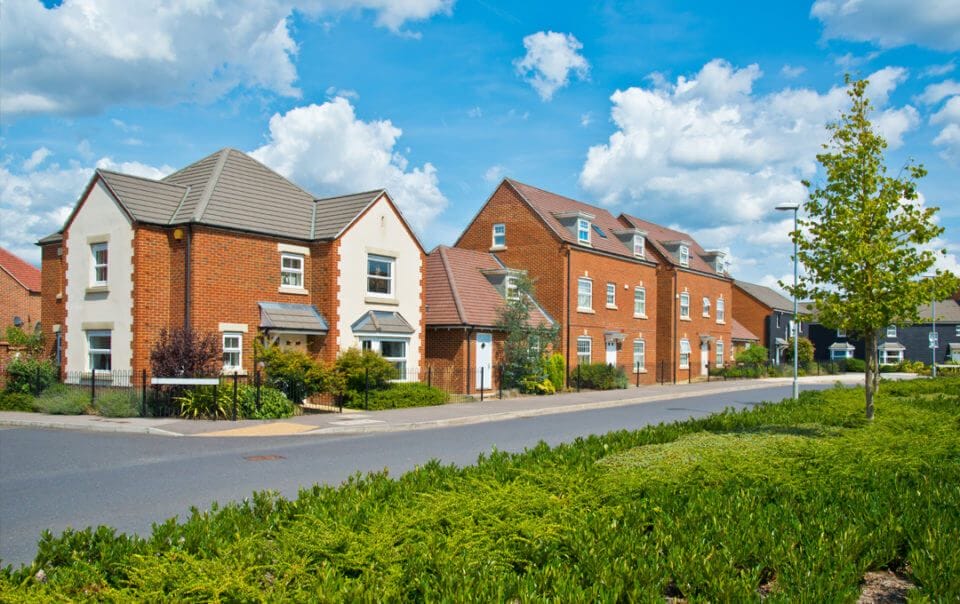 In markets where builders have added meaningful supply in recent years, prices have pulled back. Markets that overheated fastest have cooled most noticeably. But those are the exceptions. Most markets are not working from excess; they are working from scarcity.
Affordability, by the standard measure of what share of median household income goes toward the monthly payment on a median-priced home, is near its worst level since the early 1980s. That is a real problem, and it is not going away quickly. But affordability being stretched does not mean prices are about to fall sharply. What it means, practically, is that the buyer who can close confidently has more leverage than the headline numbers suggest.
 Your credit score affects your rate more directly than most buyers realize. Moving your score up by 40 points before you apply can be worth more than months of rate watching. If your score has room to improve, talk to your loan officer about specific steps to raise it before you apply formally.
) The inspection is where the marketing copy meets reality. Show up for it even if it costs you half a day of work. A good home inspector will walk you through what they are finding as they go, and those few hours will shape your understanding of the home for as long as you own it.
The inspection is where the marketing copy meets reality. Show up for it even if it costs you half a day of work. A good home inspector will walk you through what they are finding as they go, and those few hours will shape your understanding of the home for as long as you own it.
 A seller with a specific need will sometimes take less money from a buyer who gives them what they actually want. A longer closing window, a shorter inspection period, a larger earnest money deposit, or willingness to do a rent-back period can all tip a deal in your favor without you spending an extra dollar on the purchase price.
 The timing question, whether to buy now or wait for prices to pull back, is the one that trips up more buyers than any other single factor. No one consistently times the real estate market. The more useful question is not whether now is the right time in the abstract; it is whether the home works for your actual life for the next five to seven years.
 The buyers who come out ahead in this market are not the ones who waited for perfect conditions. They are the ones who treated the purchase like a business decision rather than an emotional one. The most useful thing you can do today is look at homes for sale near you and see whether the numbers work for your situation.
No listing found.